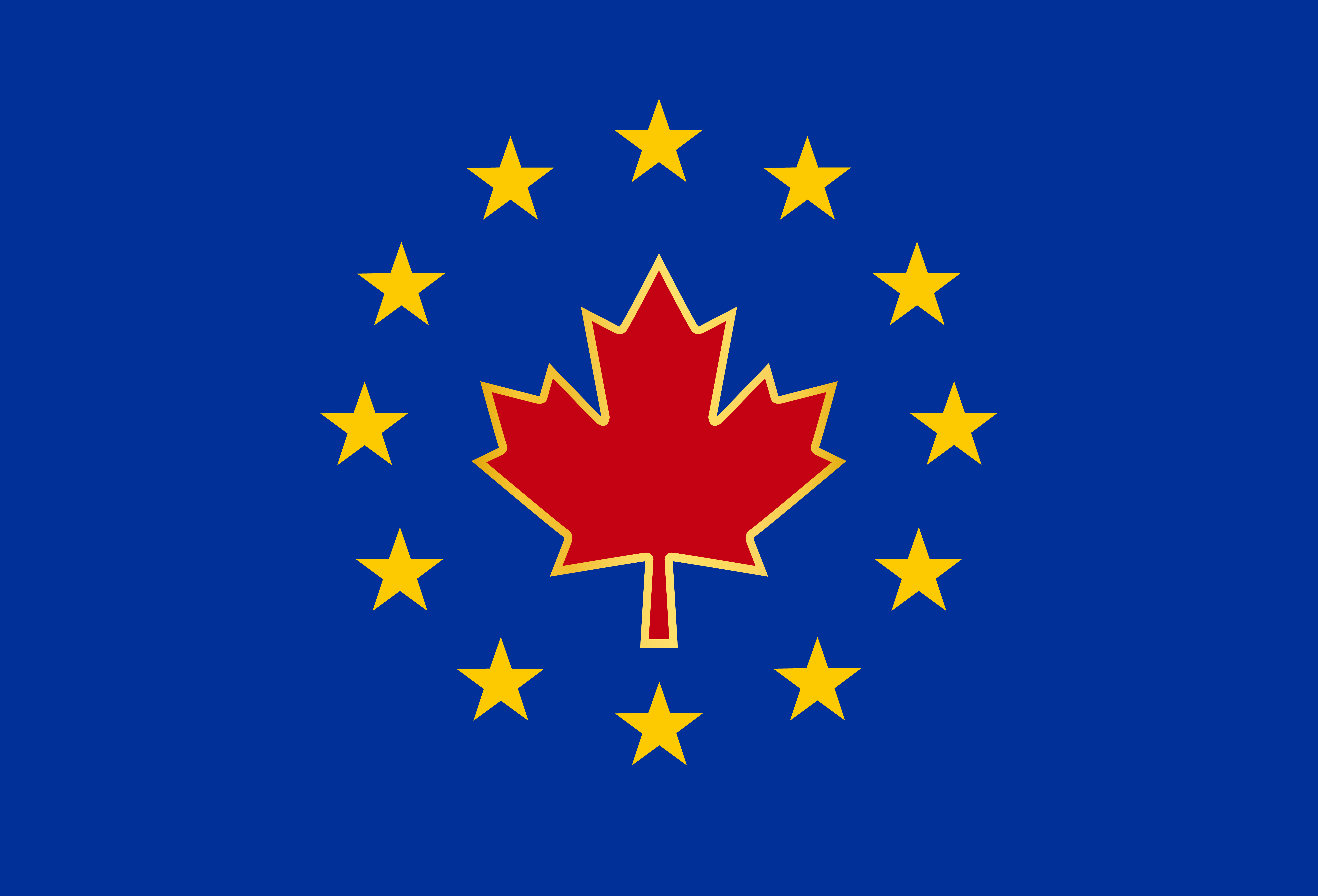
What Is EU Associate Membership? What It Means for Canada
As of 29 September 2026.
For Canada, “EU associate membership” is a proposal whose terms are still being worked out. It should not be read as an agreed set of rights or as full membership of the European Union (EU).
On 16 September 2026, European Commission President Ursula von der Leyen proposed Canada as the EU’s first associate member. Prime Minister Mark Carney welcomed the proposal the next day and said the two sides should define it together. On 18 September, the Commission said that work was continuing with EU member states and Canada.
Association means an agreed relationship
EU treaties already allow association agreements with countries outside the Union. These are formal agreements that set rights and duties for both sides, along with ways to work together.
Article 217 of the Treaty on the Functioning of the European Union provides this power. It does not prescribe one package for every country. Nor does it settle the legal form of the Canadian proposal.
The contents matter more than the label. The parties would need to decide which activities the agreement covers, which rules apply and how disputes are handled. Possible funding commitments and roles in shared bodies would also need to be defined.
Association differs from joining the EU
Full membership follows a different treaty route. Article 49 of the Treaty on European Union allows a European state that meets its conditions to apply to join.
An association agreement does not make its partner an EU member state. The Canadian proposal should therefore not be treated as an application for full membership.
Our guide to possible approval steps explains how an agreement’s contents would shape its legal route.
Other arrangements offer context
Norway, Iceland and Liechtenstein take part in the European Economic Area (EEA) while remaining outside the EU. The EEA links them to much of the EU’s market under shared trade and movement rules. Switzerland instead has bilateral agreements—agreements between it and the EU. The European Parliament explains these different relationships.
Canada already has a narrower example of programme association: participation in Pillar II of Horizon Europe, part of the EU’s research programme. That status has a defined scope; it is not EU membership.
These examples show different ways to cooperate. They do not grant Canada the same rights or determine its future model.
What do Canadians think?
A Leger online survey released 24 September 2026 found 70% of respondents supported the idea of Canada becoming an EU “Associate Member”, while 13% opposed it and 18% were unsure. The survey also suggests that support depends on the terms: only 25% said aligning some Canadian laws, regulations or standards with the EU would make them more likely to support closer ties.
The poll surveyed 1,533 Canadian adults online from 19–21 September. Because it used a non-probability online sample, it should be treated as a snapshot of opinion rather than a precise measure with a conventional margin of error. It also tested a proposal whose final terms do not yet exist.
What remains open?
The checked public statements leave the proposed arrangement’s legal form and terms unresolved. Market access, work and study rights, financial contributions and roles in EU bodies cannot be inferred from the words “associate member.” Each would need a specific agreed basis.
Compare Canada–EU arrangements already in place with the possible effects and trade-offs of closer ties.
What could this mean for Canadians?
Explore the practical questions in these focused explainers:
- Would EU Associate Membership Let Canadians Work in Europe?
- CETA vs. EU Associate Membership: What Is the Difference?
- Would Canada Have to Adopt the Euro?
- Horizon Europe and Erasmus+: What Can Canadians Access Now?
For key dates and agreement statuses, see the Canada–EU relations tracker.