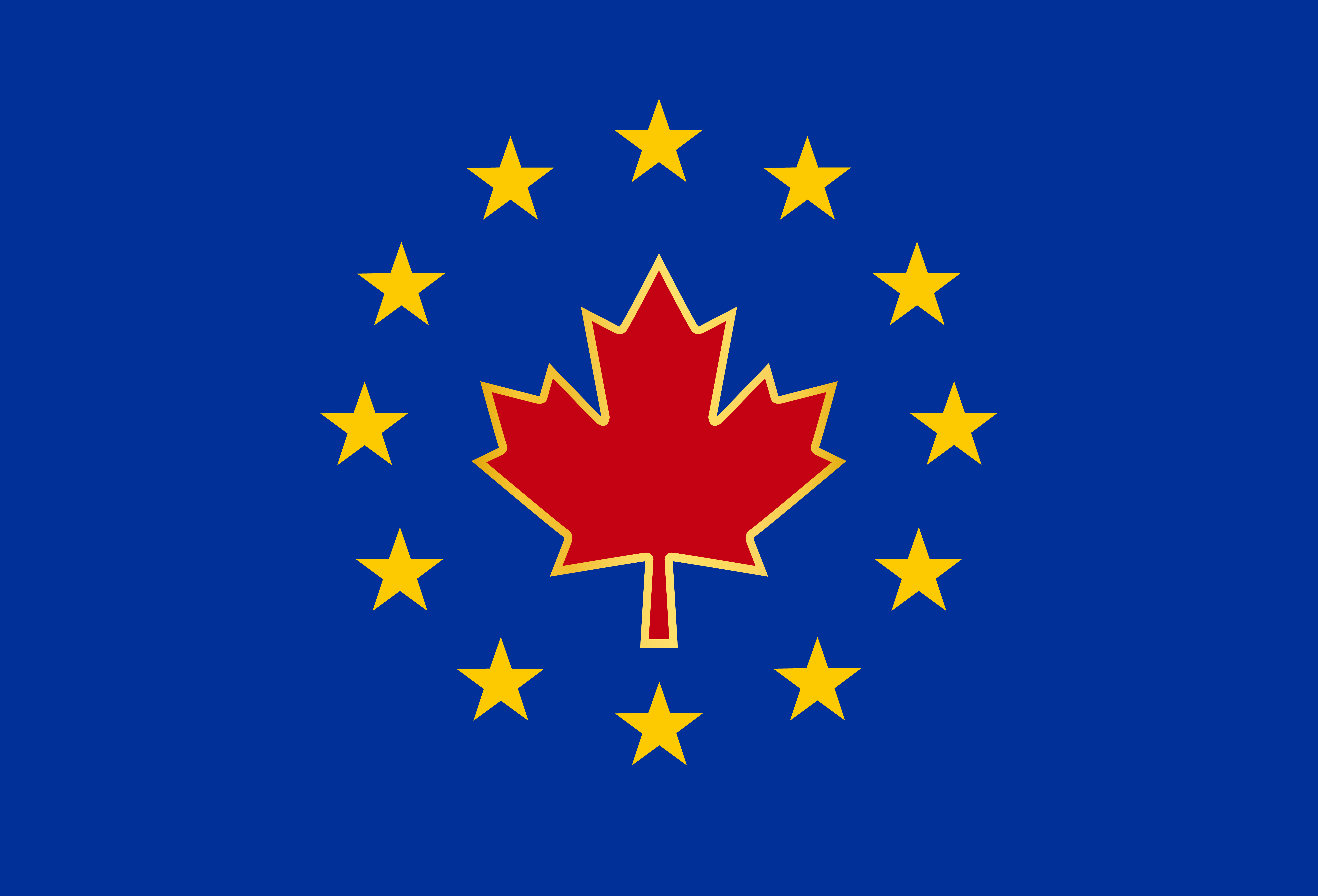
Canada–EU Relations Tracker: What’s Agreed, What’s Proposed, and What Happens Next
Canada and the European Union (EU) already have agreements covering trade, political cooperation, research and defence. The September 2026 proposal for Canadian “associate membership” is a separate development. Its terms remain unresolved in the official material checked here.
Last verified: 29 September 2026.
The next confirmed leaders’ summit is scheduled for 29–30 October 2026 in Montréal, Canada. That is a meeting date, not an announced deadline for completing an associate-membership agreement. See the Council’s summit listing and Canada’s announcement. For the live files and practical questions, read Canada–EU Summit 2026: What to Watch.
Timeline: the steps that changed the relationship
30 October 2016 — CETA and the Strategic Partnership Agreement signed
The Comprehensive Economic and Trade Agreement (CETA) addresses trade. The Strategic Partnership Agreement covers broader political cooperation. Their separate CETA and partnership records distinguish signature from later implementation.
1 April 2017 — Partnership provisions begin provisional operation
Agreed parts of the Strategic Partnership Agreement began operating before completion of its full approval process. The Council record does not record full entry into force.
21 September 2017 — CETA provisional application begins
Agreed CETA provisions took effect, with exclusions defined in the EU decision on provisional application. These are operating obligations, not simply plans. Full entry into force remains a separate stage.
3 July 2024 — Canada becomes associated with Horizon Europe’s Pillar II
This gives eligible Canadian organizations defined participation and funding opportunities in that part of the research programme. It does not make Canada an EU member or associate it with every part of Horizon Europe. See the Commission’s programme guidance.
23 June 2025 — Security and Defence Partnership signed
The 2025 summit documents include the Security and Defence Partnership. Canada describes this as a non-binding framework. It is distinct from the earlier Strategic Partnership Agreement.
14 February and 1 August 2026 — SAFE agreement signed, then enters into force
Canada’s participation agreement for Security Action for Europe (SAFE) was signed on 14 February and entered into force on 1 August. The official entry notice records both dates. Its defence purchasing opportunities remain subject to the agreement’s conditions.
2 September 2026 — Official readout confirms ongoing digital-trade negotiations. Global Affairs Canada’s 2 September readout describes negotiations toward a Canada–EU digital trade agreement as ongoing. A 6 March announcement recorded their formal launch. This work predates the September associate-membership proposal; these sources do not establish a completed agreement or an effective date for new rules.
16–18 September 2026 — Associate membership proposed and discussed
On 16 September, Ursula von der Leyen proposed Canada as the EU’s first associate member. Mark Carney welcomed the proposal on 17 September. On 18 September, the Commission said the concept was still being defined.
20 September 2026 — Macron expresses support
In joint remarks published by the Élysée on 21 September, President Emmanuel Macron supported the proposed closer association. The French presidency’s record documents political support, not an EU-wide agreement or completed approval.
23 September 2026 — Canada and the EU launch the OceanEye International Alliance
Prime Minister Mark Carney and European Commission President Ursula von der Leyen officially launched OceanEye at the UN General Assembly in New York. Canada pledged C$82 million over five years for ocean observation, while the EU committed €92 million. The launch secured at least about €211 million (C$339 million) in financial and in-kind commitments for the Global Ocean Observing System. This is a concrete new area of Canada–EU cooperation, separate from the associate-membership proposal.
29 September 2026 — Slovenia’s National Assembly ratifies CETA. The Slovenian government’s announcement records this national approval. It does not announce full entry into force of the agreement. Added and verified 8 October 2026.
What is operating now?
CETA — trade rules, provisionally applied
Defined provisions operate. The treaty record does not yet record full entry into force. Provisional application does not cover every provision. Read what this means for CETA.
Strategic Partnership Agreement — political cooperation, provisionally applied
This has its own approval status and scope. It should not be merged with CETA or the later defence framework simply because their purposes overlap.
Horizon Europe — defined programme association
Canada’s association covers Pillar II. Applicants seeking funding must still meet the funding call’s requirements and be selected for support. The participation agreement also includes contributions, oversight and other obligations.
SAFE — defence purchasing under agreed conditions
The Canadian agreement provides access for eligible Canadian companies and products to certain supported defence purchases. This differs from SAFE loans to EU member states. Eligibility does not guarantee a contract.
These arrangements show why access and obligations must be assessed together. Joining a programme or qualifying to bid for purchases is not a guarantee of funding or sales.
What remains proposed?
The associate-membership concept does not yet provide a settled Canadian package in the checked public statements. Its legal form, covered activities, financial commitments and decision-making arrangements remain open.
Public opinion snapshot: a Leger online survey released 24 September found 70% of respondents supported the idea of Canada becoming an EU “Associate Member”, 13% opposed it and 18% were unsure. Support varied by the possible terms: only 25% said regulatory alignment would make them more likely to support closer ties. Because no final associate-membership package exists, the survey measures views of the proposal and tested features rather than approval of a negotiated agreement.
Work and study ambitions also need specific rules before readers can rely on them. Canada currently has limited Erasmus+ opportunities as a non-associated country; the broader political discussion does not itself expand that status.
The associate-membership explainer examines the term. This tracker records developments without treating the term as an agreed set of rights.
What happens next?
The confirmed calendar item is the 29–30 October summit. Its eventual statements should be assessed for what they actually announce: further discussion, negotiating steps, a text or an agreement are different outcomes.
CETA’s full entry requires completion of the relevant approval procedures and an exchange of written notifications under Article 30.7. The checked record supplies no completion date.
For associate membership, the questions to watch are:
- Which activities and people would be covered?
- What rights, costs and obligations would each side accept?
- Which bodies would make decisions and resolve disputes?
- What legal route and approvals would apply?
- When would any new provisions take effect?
Our legal-route guide explains why the contents shape the process. The current-relationship overview provides the wider context.
Update history
1 October 2026: Checked the Commission’s digital-trade document index, which lists reports for four negotiating rounds through August and an EU textual proposal. These are negotiating materials, not a concluded agreement. The September 29 entry below already records the launch and ongoing talks. Added a Canada–EU Summit 2026 guide with the confirmed meeting details and a separately labelled account of reported draft proposals. Other agreement-status checks retain their earlier dates.
29 September 2026: Added the OceanEye launch and a public-opinion snapshot from the September Leger survey. Neither development changes the unresolved legal status or terms of the associate-membership proposal.
22 September 2026: First version prepared. Records current agreement statuses, the September associate-membership statements and the scheduled October summit. No earlier tracker update is claimed. 29 September 2026: Rechecked the Council’s summit listing and added Montréal as the location. Added a previously omitted digital-trade negotiation milestone from the 2 September readout, with its March launch source. These additions do not announce a completed associate-membership agreement. The other agreement-status checks retain their earlier verification date.